In the realm of equestrianism, a "lady booth" refers to a designated seating area exclusively reserved for women at horse racing events. Historically, these sections were established to provide female spectators with a comfortable and chaperoned environment amidst the predominantly male-dominated racing crowds.
Lady booths have played a significant role in fostering women's participation and enjoyment of horse racing. They have served as social hubs, enabling women to connect, share their passion for the sport, and engage in lively discussions about horses and jockeys. Moreover, these booths have contributed to making racecourses more welcoming and inclusive for women, breaking down traditional barriers and encouraging their active involvement in the sport.
While the presence of lady booths has diminished in recent times due to evolving social norms and the broader acceptance of women in public spaces, they remain a testament to the efforts made to create a more equitable and enjoyable experience for female racing enthusiasts. As the sport continues to progress, it is essential to recognize the historical significance of lady booths and the role they played in paving the way for women's full participation in the captivating world of horse racing.
Lady Booth
The term "lady booth" encompasses various aspects that have shaped its significance in the realm of horse racing. Here are ten key aspects that explore its multifaceted nature:
- Exclusive Seating Area: Designated seating section exclusively for women.
- Social Hub: A place for women to connect and share their passion for racing.
- Chaperoned Environment: Historically provided a safe and chaperoned space for female spectators.
- Historical Legacy: A reflection of past social norms and the evolution of women's roles in public spaces.
- Inclusion and Accessibility: Contributed to making racecourses more welcoming and inclusive for women.
- Female Empowerment: Fostered women's active participation and engagement in horse racing.
- Changing Social Norms: Declining presence in recent times due to evolving societal attitudes.
- Nostalgia and Tradition: Remains a nostalgic reminder of the efforts made to create a more equitable racing experience.
- Architectural Heritage: Some lady booths are notable for their architectural design and historical significance.
- Cultural Symbol: Represents the journey towards greater gender equality in the sport of horse racing.
These aspects collectively highlight the importance of lady booths in the history and culture of horse racing. They not only provided a comfortable and environment for female spectators but also played a crucial role in breaking down barriers and encouraging women's active participation in the sport. While their presence may have diminished over time, lady booths remain a testament to the progress made towards creating a more inclusive and equitable racing experience for all.
Exclusive Seating Area
In the context of horse racing, lady booths emerged as exclusive seating areas specifically designated for women. These designated sections provided a unique and tailored experience that catered to the specific needs and preferences of female spectators.
- Socialization and Networking: Lady booths served as social hubs where women could connect, share their passion for racing, and engage in lively discussions. This fostered a sense of community and camaraderie among female racing enthusiasts.
- Safe and Chaperoned Environment: Historically, lady booths were chaperoned to ensure a safe and comfortable environment for women attending races. This was particularly important in an era when women's presence in public spaces was often restricted.
- Enhanced Comfort and Privacy: Lady booths were often designed with women's comfort and privacy in mind. They provided comfortable seating, privacy screens, and other amenities that catered to their specific needs.
- Accessibility and Inclusion: By creating designated seating areas for women, racecourses demonstrated a commitment to making the sport more accessible and inclusive for female spectators. This helped break down barriers and encourage women's active participation in racing.
The exclusive seating areas designated for women played a vital role in shaping the overall experience of lady booths. They provided a comfortable, safe, and inclusive environment that encouraged women's engagement and participation in the sport of horse racing.
Social Hub
Within the context of horse racing, lady booths have historically served as vibrant social hubs where women gather to connect, share their passion for the sport, and engage in lively discussions.
- Shared Interests and Camaraderie: Lady booths provide a unique space for women to connect with fellow racing enthusiasts who share their interests and passion for the sport. This shared passion fosters a sense of camaraderie and community among the women.
- Knowledge Exchange and Expertise: Lady booths facilitate the exchange of knowledge and expertise among women who are passionate about horse racing. They share insights, tips, and strategies, helping each other to deepen their understanding and enjoyment of the sport.
- Social Networking and Connections: Lady booths offer opportunities for women to network and build meaningful connections with others who share their interests. These connections can extend beyond the racetrack, leading to lasting friendships and professional collaborations.
- Mentorship and Support: Lady booths can provide a supportive environment for women who are new to horse racing or looking to become more involved in the sport. More experienced women often mentor and support newcomers, helping them to navigate the racing world and develop their skills.
The social hub aspect of lady booths is integral to their significance in horse racing. They foster a sense of community, provide opportunities for learning and connection, and contribute to the overall enjoyment and inclusivity of the sport for women.
Chaperoned Environment
The chaperoned environment provided by lady booths has played a significant role in the historical context of horse racing. In the past, societal norms and cultural expectations often restricted women's mobility and participation in public spaces. Lady booths, with their chaperoned and supervised settings, offered a safe and comfortable space for women to enjoy horse racing without facing societal disapproval or discomfort.
The chaperoned environment of lady booths served several important purposes:
- Protection and Safety: Lady booths provided a protected and supervised space for women, ensuring their safety and well-being while attending races.
- Social Propriety: In the past, strict social conventions dictated appropriate behavior for women in public. Lady booths allowed women to participate in horse racing while adhering to these societal expectations.
- Comfort and Privacy: Chaperoned environments offered women a sense of comfort and privacy, enabling them to relax and enjoy the races without feeling self-conscious or uncomfortable.
Over time, as social norms evolved and women gained greater freedom and autonomy, the need for chaperoned environments diminished. However, the historical significance of lady booths as safe and chaperoned spaces remains an important aspect of their legacy.
Historical Legacy
Lady booths hold significant historical value as they reflect the evolution of social norms and the changing roles of women in public spaces. Historically, women's presence and participation in public events were often restricted or discouraged. Lady booths emerged as designated areas for women within the traditionally male-dominated realm of horse racing, providing them with a safe and chaperoned environment to enjoy the sport.
The existence of lady booths underscores the societal attitudes and expectations of the past. They were a product of a time when women's mobility and public engagement were subject to various constraints. By offering a separate and supervised space for women, lady booths both acknowledged and reinforced these social norms.
Over time, as social norms evolved and women gained greater freedom and autonomy, the need for designated lady booths diminished. However, their historical legacy remains an important reminder of the challenges and progress made in women's participation in public life. Lady booths serve as a testament to the changing social landscape and the ongoing journey towards gender equality.
Understanding the historical legacy of lady booths is essential for appreciating their significance in the context of horse racing and women's history. It highlights the influence of societal norms on public spaces and the gradual but important shifts that have taken place over time.
Inclusion and Accessibility
Lady booths played a significant role in making racecourses more welcoming and inclusive for women. By providing designated seating areas exclusively for women, they created a safe and comfortable environment where women could enjoy the races without facing the same social constraints and barriers that they might have encountered in other parts of the racecourse. This inclusivity had a positive impact on women's participation and engagement in horse racing.
The presence of lady booths sent a clear message that women were welcome and respected at the races. It demonstrated a commitment to creating a more inclusive environment for all spectators, regardless of gender. This inclusivity not only made racecourses more enjoyable for women but also encouraged them to become more involved in the sport, both as spectators and participants.
The practical significance of understanding the connection between lady booths and inclusion is that it highlights the importance of creating welcoming and accessible spaces for women in all areas of public life. By providing safe and comfortable environments where women feel respected and included, we can encourage their participation and engagement in a wider range of activities and pursuits.
Female Empowerment
Lady booths have played a significant role in fostering women's active participation and engagement in horse racing. By providing designated seating areas exclusively for women, lady booths created a safe and comfortable environment where women could enjoy the races and engage with the sport on their own terms. This empowerment had a positive impact on women's involvement in horse racing, both as spectators and participants.
- Increased Attendance and Participation: Lady booths made racecourses more welcoming and accessible for women, leading to increased attendance and participation. Women felt more comfortable attending races and engaging in the sport when they had a dedicated space where they could socialize and enjoy the races without facing barriers or discomfort.
- Social and Networking Opportunities: Lady booths provided a social hub for women to connect, share their passion for racing, and exchange knowledge and expertise. These social and networking opportunities empowered women to build relationships, learn from each other, and become more involved in the sport.
- Mentorship and Support: Lady booths fostered a sense of community and support among women in horse racing. More experienced women often mentored and supported newcomers, helping them to navigate the racing world and develop their skills. This mentorship and support empowered women to pursue their passion for horse racing and achieve their goals.
- Recognition and Visibility: Lady booths gave women a sense of recognition and visibility within the horse racing community. By having a dedicated space, women were able to showcase their knowledge, skills, and passion for the sport, challenging traditional stereotypes and inspiring other women to become involved.
The connection between lady booths and female empowerment is significant because it highlights the importance of creating inclusive and supportive environments for women in all areas of life. By providing safe and welcoming spaces where women can participate and engage on their own terms, we can empower them to reach their full potential and make meaningful contributions to society.
Changing Social Norms
The declining presence of lady booths in recent times is closely connected to evolving societal attitudes towards gender roles and public spaces. As societies have become more progressive and inclusive, the need for designated seating areas exclusively for women has diminished. Women are now more likely to feel comfortable and welcome in all areas of the racecourse, without the need for separate spaces.
This shift in societal attitudes has been driven by a number of factors, including increased awareness of gender equality, the growing participation of women in public life, and the breaking down of traditional gender stereotypes. As a result, women are no longer expected to conform to the same social norms and expectations as in the past. They are now free to participate in activities and occupy spaces that were once considered exclusively male.
The practical significance of understanding the connection between changing social norms and the declining presence of lady booths is that it highlights the importance of creating inclusive and welcoming environments for all genders. By removing barriers and creating spaces where everyone feels respected and valued, we can encourage greater participation and engagement from all members of society.
Nostalgia and Tradition
Lady booths hold nostalgic and traditional value as reminders of the efforts made to create a more equitable and inclusive racing experience. Their existence serves as a testament to the historical context in which women's participation in public spaces, including horse racing, was restricted. Lady booths provided a safe and chaperoned environment for women to enjoy the races, reflecting the social norms and expectations of the past.
- Historical Significance: Lady booths are a tangible reminder of the challenges faced by women in the past and the gradual progress that has been made towards gender equality in public spaces.
- Social Inclusivity: The presence of lady booths represented a conscious effort to make racecourses more inclusive and welcoming for women, acknowledging their right to participate and enjoy the sport on equal terms.
- Cultural Heritage: Lady booths have become a part of the cultural heritage of horse racing, symbolizing the evolving role of women in society and the sport.
- Educational Value: Lady booths can serve as educational tools, teaching younger generations about the historical struggles and achievements of women in horse racing and beyond.
While the need for designated lady booths may have diminished in recent times due to changing social norms, their nostalgic and traditional value remains significant. They represent a reminder of the progress that has been made towards gender equality and inspire us to continue working towards creating a more inclusive and equitable society.
Architectural Heritage
Lady booths, designated seating areas exclusively for women at horse racing events, have not only played a significant role in fostering women's participation in the sport but also hold architectural and historical significance. Some lady booths are renowned for their unique designs and have become landmarks in their own right.
- Preservation of Heritage: Lady booths are often housed in historic buildings or structures, preserving the architectural heritage of racecourses. They serve as a reminder of the past and contribute to the overall ambiance and character of the venue.
- Architectural Styles: Lady booths showcase a range of architectural styles, from Victorian to Art Deco, reflecting the changing tastes and trends of their respective eras. Their design often complements the overall aesthetic of the racecourse.
- Symbolic Value: The architectural design of lady booths can carry symbolic meaning. Some booths feature elaborate ornamentation or motifs that represent femininity, elegance, or the history of women in horse racing.
- Local Landmarks: Over time, certain lady booths have become iconic landmarks, recognized for their architectural beauty and historical value. They are often featured in promotional materials and serve as a point of pride for the racecourse.
Understanding the architectural heritage of lady booths enhances our appreciation for their historical significance and the role they play in preserving the cultural legacy of horse racing. These booths are not only functional spaces but also works of art and architecture that contribute to the overall experience of attending a race.
Cultural Symbol
Lady booths serve as cultural symbols that embody the journey towards greater gender equality in horse racing. Their historical significance and evolving presence reflect the changing societal attitudes and the increasing participation of women in the sport.
- Symbol of Inclusivity: Lady booths represent a conscious effort to make racecourses more inclusive and welcoming for women. Their presence acknowledges the right of women to participate and enjoy the sport on equal terms.
- Empowerment and Recognition: Lady booths provide a visible platform for women in horse racing, empowering them to showcase their knowledge and skills. This recognition helps to break down gender stereotypes and encourages more women to pursue careers in the sport.
- Historical Progress: The presence of lady booths serves as a reminder of the historical struggles faced by women in gaining access to public spaces and participating in traditionally male-dominated activities. Lady booths represent the progress that has been made towards gender equality and inspire further efforts to create a more inclusive society.
- Cultural Heritage: Lady booths have become a part of the cultural heritage of horse racing, symbolizing the evolving role of women in society and the sport. Their preservation and recognition contribute to the overall cultural significance of horse racing.
The cultural symbolism of lady booths goes beyond their practical function as seating areas. They stand as testaments to the journey towards greater gender equality in horse racing and the broader social landscape. Their presence serves as a reminder of the progress that has been made and the work that still needs to be done to create a truly inclusive and equitable society.
Lady Booth FAQs
This section addresses frequently asked questions and misconceptions surrounding lady booths, providing clear and informative answers.
Question 1: What is the purpose of a lady booth?
Lady booths are designated seating areas exclusively reserved for women at horse racing events. Historically, they provided a safe and chaperoned environment for female spectators, fostering their participation and enjoyment of the sport.
Question 2: Are lady booths still common at racecourses?
While the presence of lady booths has diminished in recent times due to evolving social norms, they remain an important part of some racecourses, particularly those with historical significance.
Question 3: What is the historical significance of lady booths?
Lady booths reflect the historical context in which women's participation in public spaces was restricted. They served as a means to make racecourses more inclusive and welcoming for women.
Question 4: Do lady booths perpetuate gender segregation?
In the past, lady booths may have been seen as a form of gender segregation. However, their primary purpose was to provide a safe and comfortable space for women in a male-dominated environment.
Question 5: Are lady booths only for older women?
Lady booths are open to women of all ages who wish to enjoy horse racing in a dedicated and inclusive environment.
Question 6: What is the future of lady booths?
The future of lady booths is uncertain, as societal attitudes and the demographics of racecourse attendees continue to evolve. However, their historical significance and role in fostering women's participation in horse racing ensure their continued relevance and appreciation.
In summary, lady booths have played a significant role in the history of horse racing, providing a safe and inclusive space for women to enjoy the sport. Their presence reflects the changing social norms and the ongoing journey towards gender equality.
Transitioning to the next article section...
Lady Booth Etiquette
Attending a horse race in a lady booth offers a unique and enjoyable experience. To ensure a pleasant and respectful atmosphere, it is important to observe proper etiquette.
Tip 1: Dress Appropriately
Dress in attire that is both comfortable and respectful of the occasion. Avoid overly casual or revealing clothing. Consider the weather conditions and choose appropriate footwear for walking on uneven surfaces.
Tip 2: Arrive Punctually
Arrive at the racecourse with ample time to find your seat and settle in before the races begin. This will allow you to familiarize yourself with the surroundings and avoid missing any of the action.
Tip 3: Be Respectful of Others
Be mindful of the people around you and avoid loud or disruptive behavior. Respect the personal space of others and refrain from using offensive language or gestures.
Tip 4: Clean Up After Yourself
Dispose of trash and food items properly in designated areas. Help keep the lady booth clean and tidy for the enjoyment of all guests.
Tip 5: Be Considerate of Children
If children are present, be mindful of their safety and well-being. Keep noise levels reasonable and avoid using language or behavior that may be inappropriate for young ears.
Summary:
By following these simple tips, you can contribute to a positive and enjoyable experience in the lady booth. Remember to dress appropriately, arrive punctually, be respectful, clean up after yourself, and be considerate of others. These guidelines will ensure that everyone can enjoy the races in a comfortable and welcoming atmosphere.
Transitioning to the article's conclusion...
Conclusion
Throughout this exploration of "lady booths," we have delved into their historical significance, social impact, and architectural heritage. From providing a safe and chaperoned environment for women in the past to serving as symbols of gender equality in the present, lady booths have played a multifaceted role in the world of horse racing.
As society continues to evolve, the presence and purpose of lady booths may change. However, their legacy as a testament to the journey towards greater inclusivity and the empowerment of women in public spaces will undoubtedly endure. The preservation and appreciation of lady booths serve as a reminder of the progress that has been made and inspire us to strive for a future where all individuals feel welcome and respected in every aspect of life.
Tony Hinchcliffe's Height: Unraveling The Untold Story
Uncover The Secrets Of David Goggins' Towering Height: Insights And Discoveries
Uncover The Secrets Of Melyssa Davies' Age
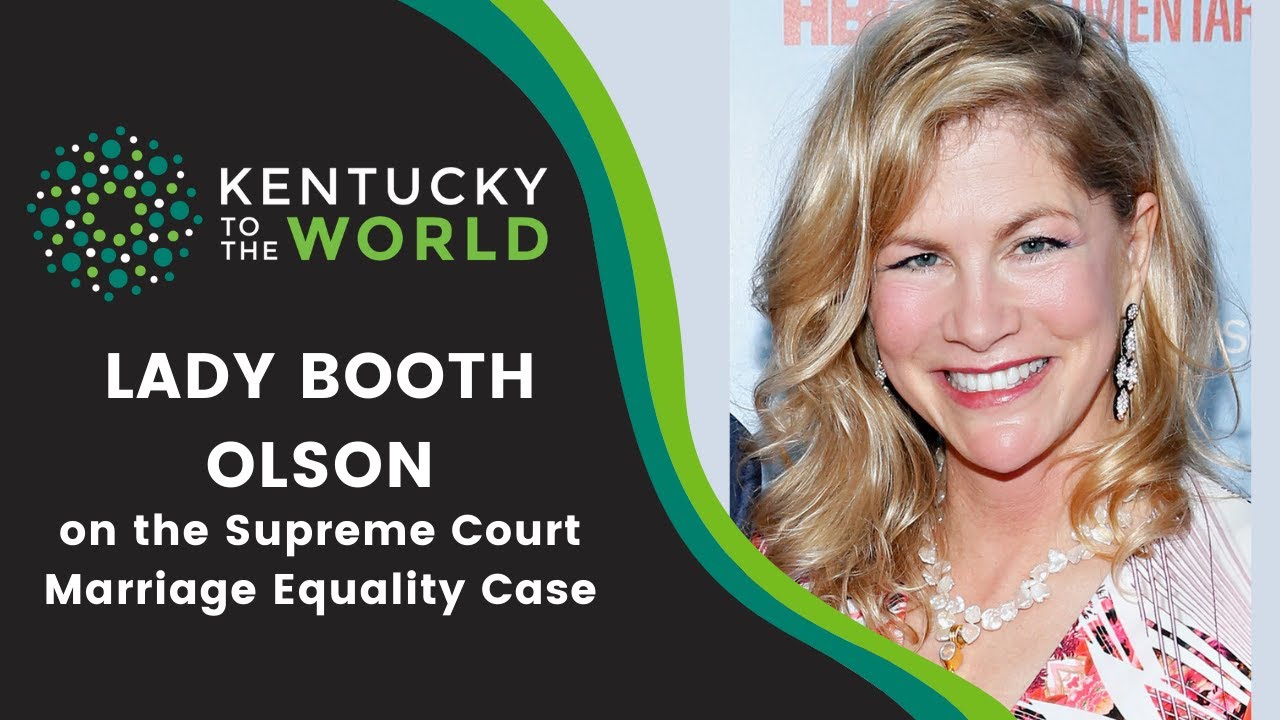
Lady Booth Olson on the Supreme Court Marriage Equality Case YouTube

Lady Booth (Ted Olson Wife) Wiki, Bio, Age, Height, Family, Husband
